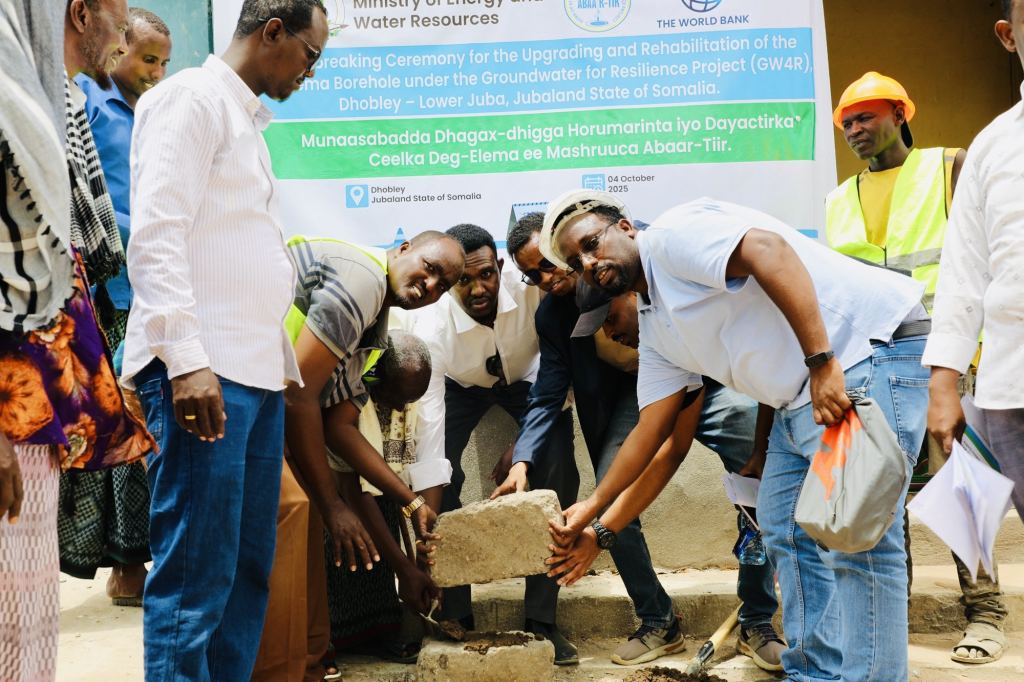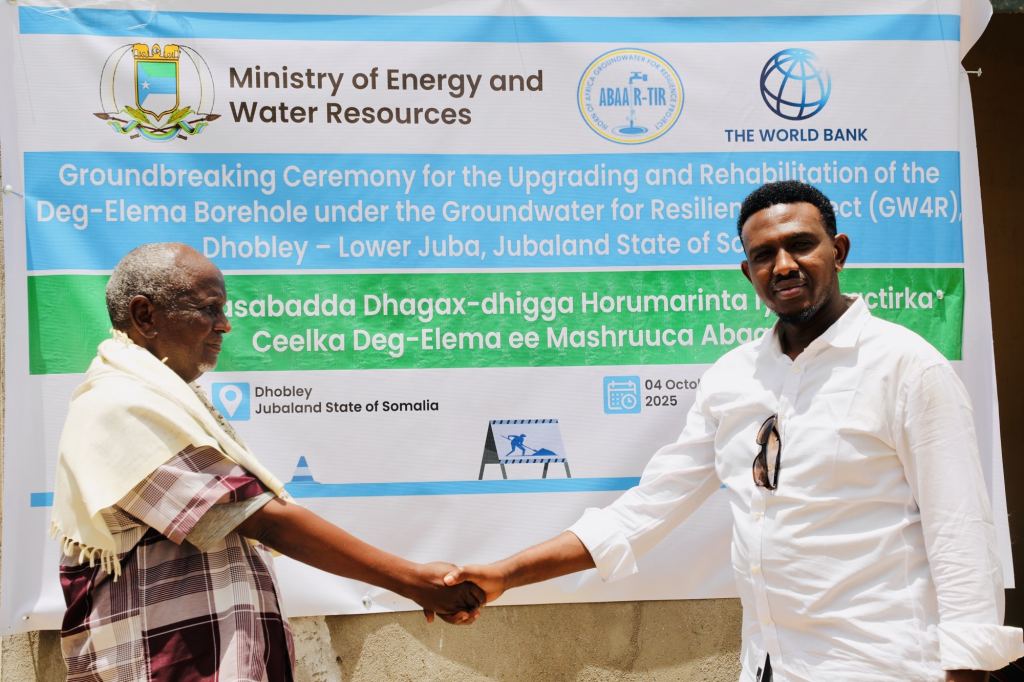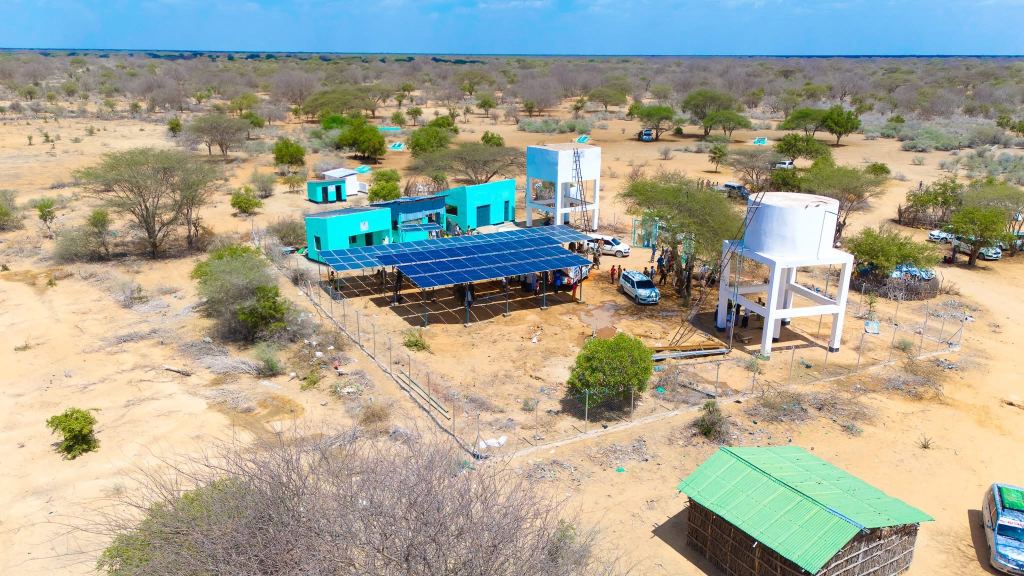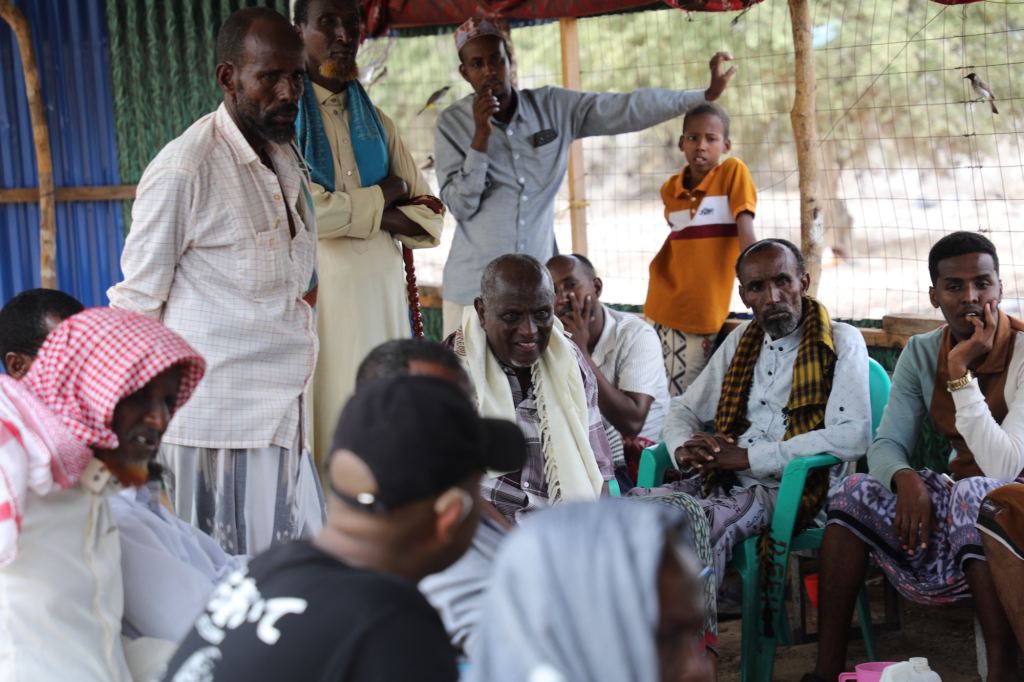
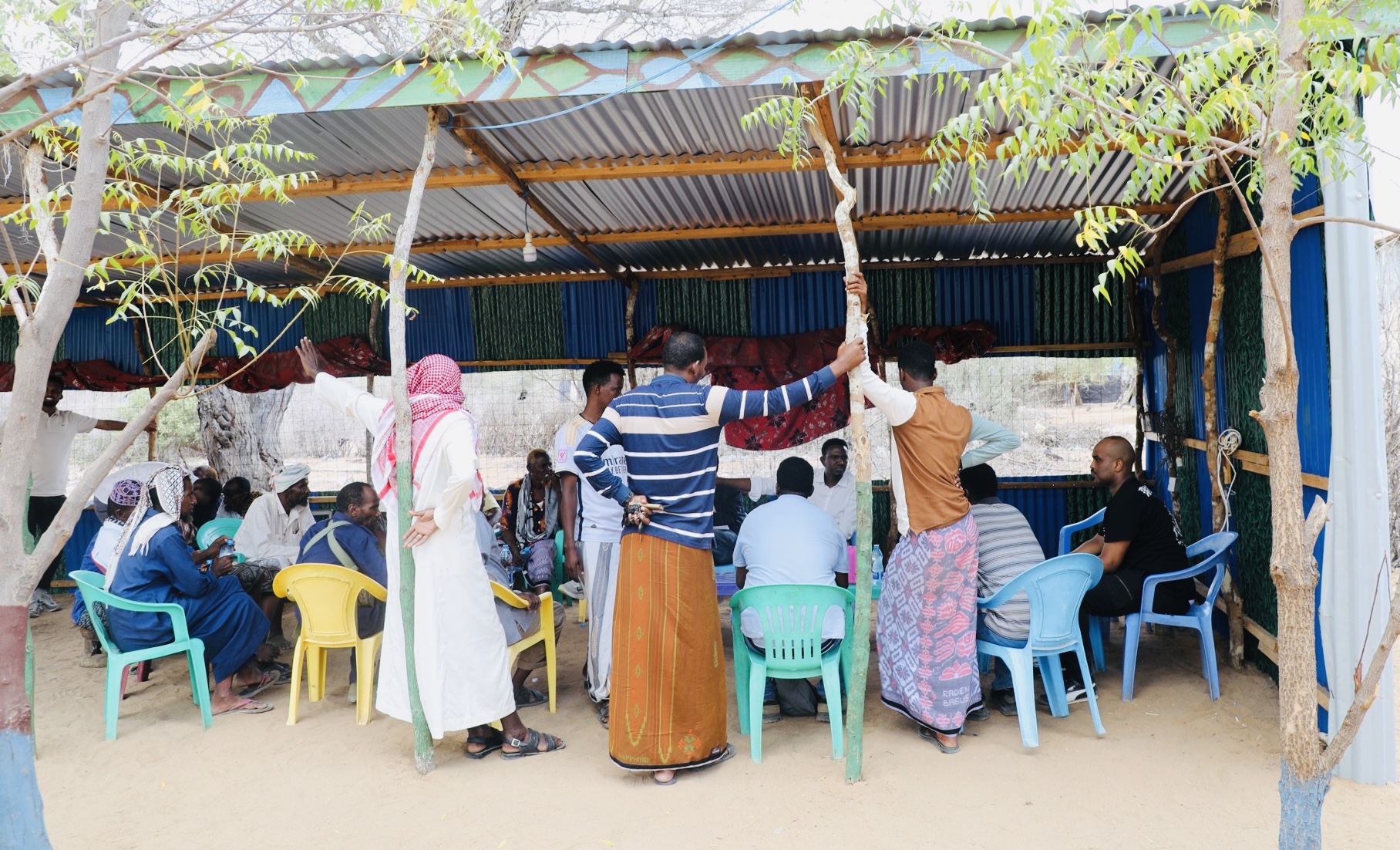
DEG-ELEMA — In the arid landscape roughly 12km from Dhobley, water is more than a basic necessity; it is the heartbeat of the community. For the residents of Deg-Elema, the daily struggle for a drop of water has long been a barrier to survival. Today, that narrative is changing through a landmark infrastructure project that is restoring hope to the region.
The Burden of Scarcity
Before the recent intervention, the lack of local water access created a cycle of hardship that stifled the community’s potential. The crisis was felt most acutely by women and children, who bore the physical and social costs of water insecurity:
- Impact on Education: Many children were forced to abandon their studies to assist their families in the grueling search for water.
- The Gender Toll: Women spent their days trekking long distances under the relentless sun, sacrificing their health and safety to provide for their households.
From Struggle to Sustainability
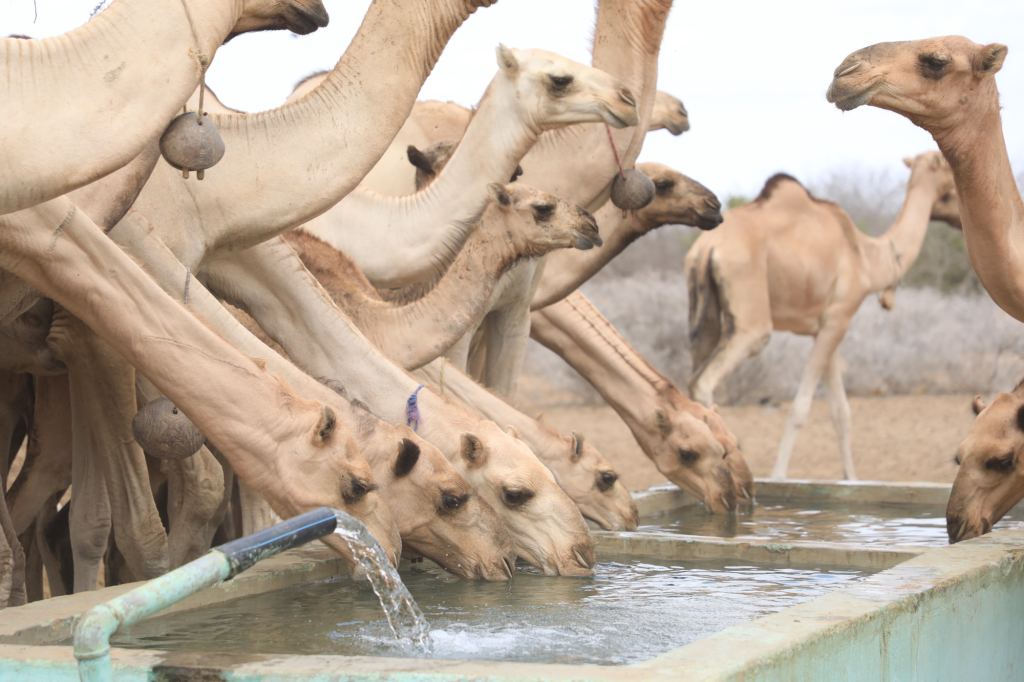
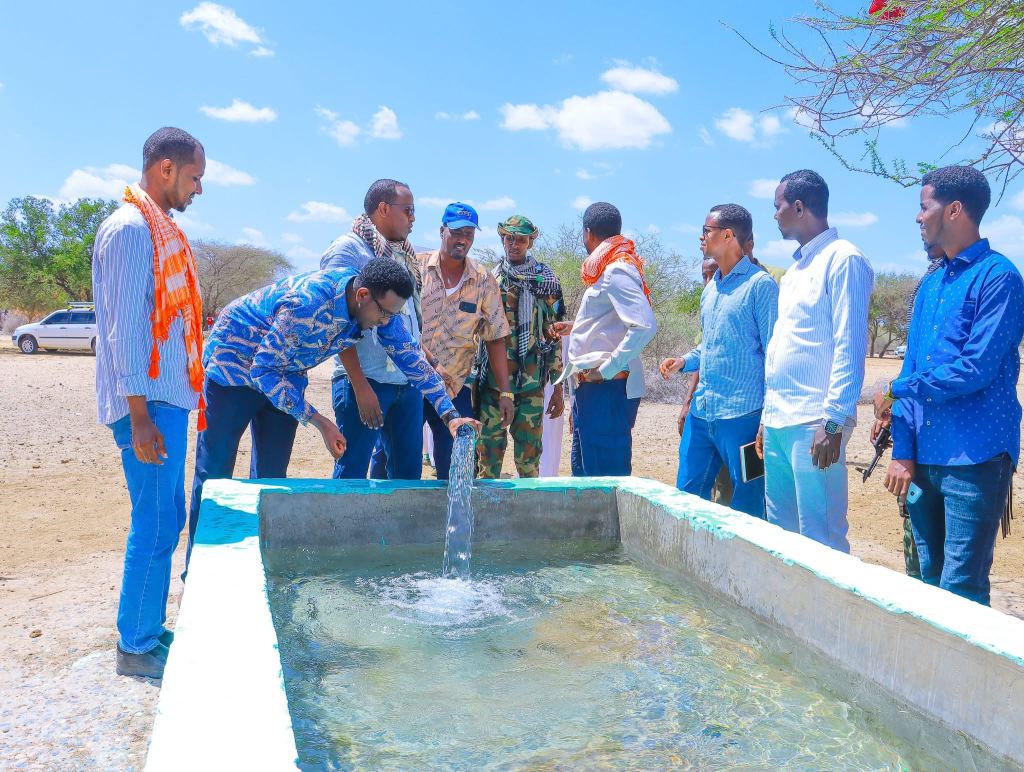
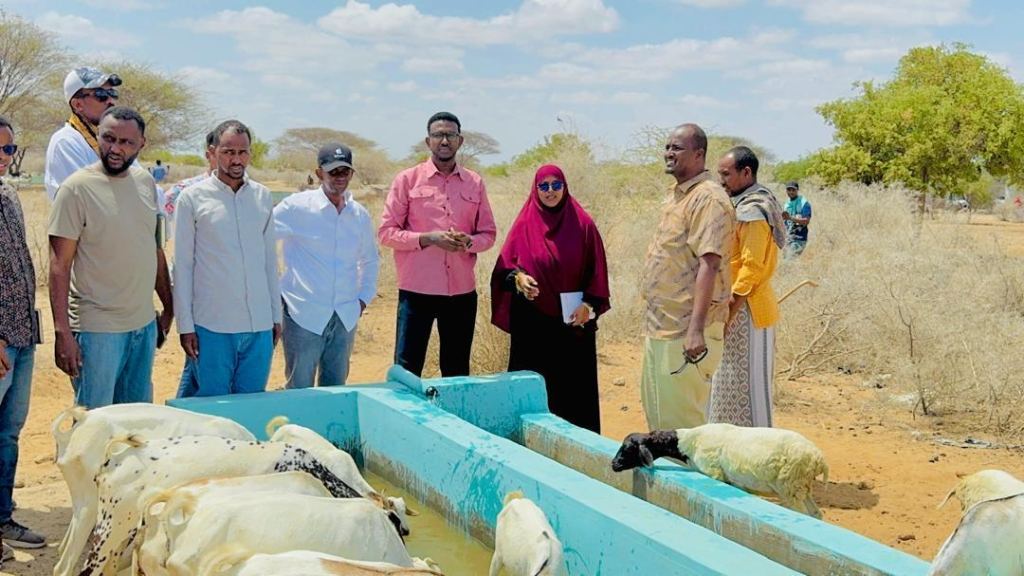
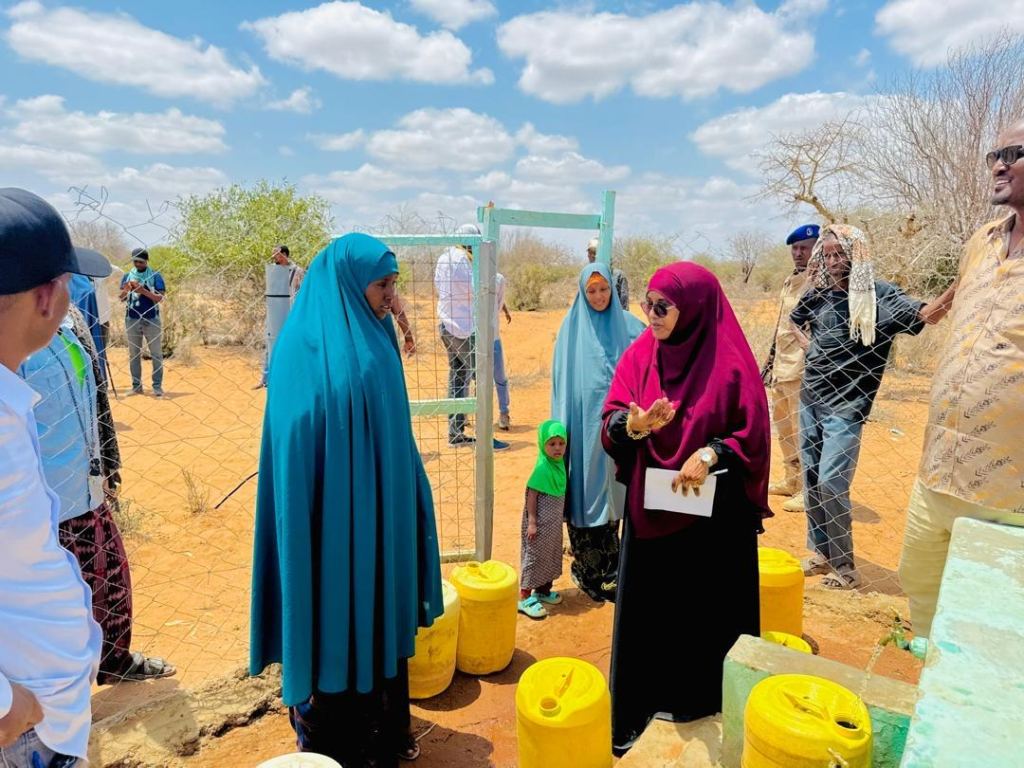
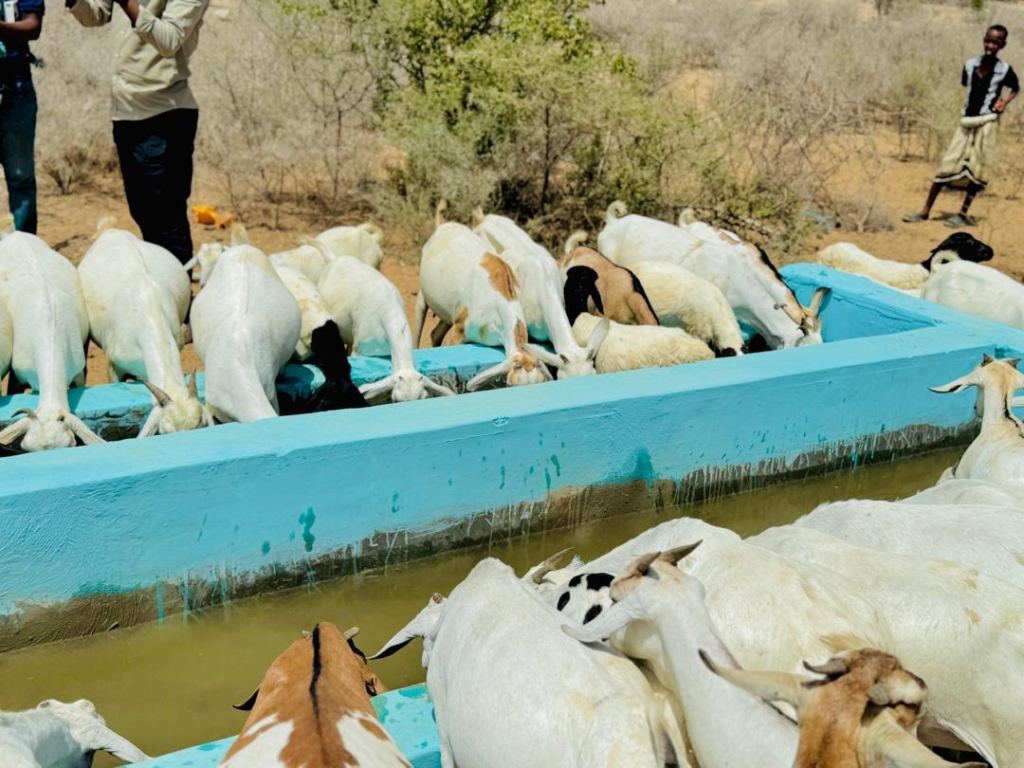
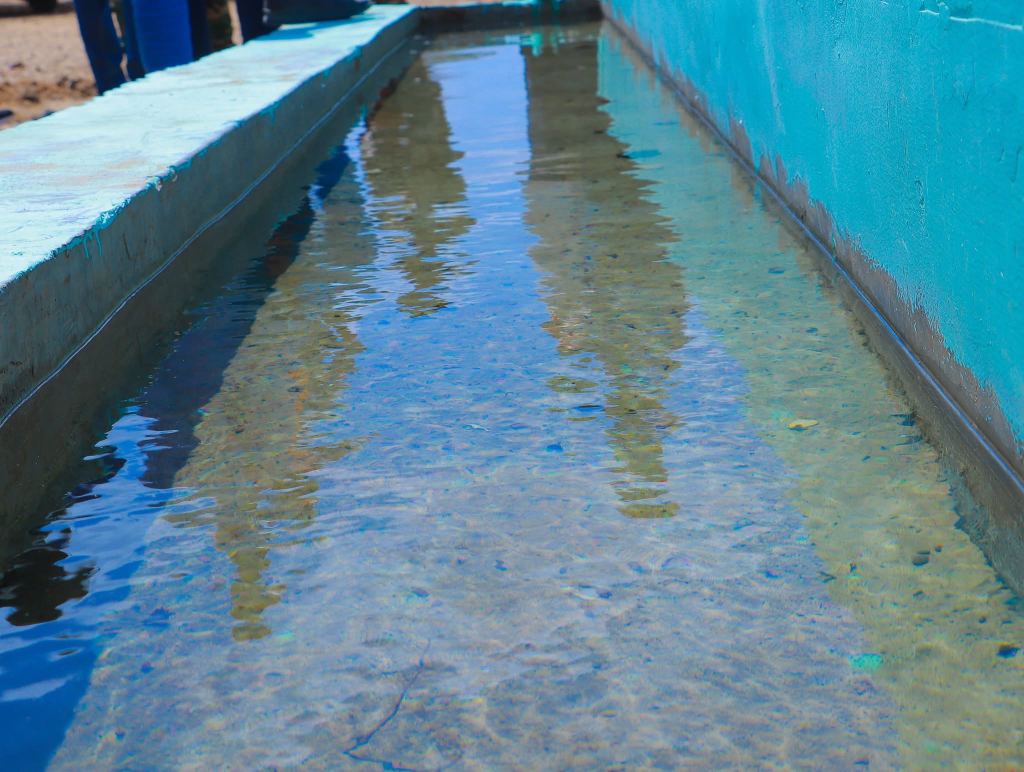
The successful rehabilitation and expansion of the Deg-Elema borehole have signaled a profound shift. By modernizing the facility and increasing the number of water kiosks and livestock troughs, expanding from four to six. The project has effectively ended the era of chronic shortages.
Key Impacts Include:
- A Lifeline for 10,000: The facility now serves a population of over 10,000 across both urban and rural settlements.
- Supporting Pastoralists: Herders who once traveled between 40km and 50km to water their livestock now have a high-capacity, reliable source within reach.
- Efficiency & Access: The increased number of water kiosks has eliminated the long, exhausting queues that previously defined the area.
A Strategic Response to Drought
This transformation is the result of a high-level collaboration between the Federal and State Ministries of Energy and Water Resources. Implemented under the Abaartire Project (HoA Groundwater for Resilience) and funded by the World Bank, the initiative is a direct answer to the severe drought conditions gripping the nation.
By prioritizing the modernization of the Deg-Elema system, the Ministry has demonstrated its commitment to moving beyond emergency aid and toward long-term, sustainable infrastructure.
The Peace Dividend
Beyond the health and economic benefits, the project has become a cornerstone of regional stability. Historically, water scarcity was a frequent flashpoint for communal tension; the frustration of limited supply often bubbled over into conflict.
By ensuring an abundant and organized supply through the new water kiosks, the project has acted as a catalyst for peace. With the stress of competition removed, the residents of Deg-Elema are now defined by a spirit of cooperation and shared security.